

What Is Referred Pain, and Why Does It Happen?
Referred pain is a phenomenon where pain is felt in one part of the body but actually originates from another area. Residents in Oneonta, NY might experience pain in their arms, legs, or even their jaw, only to learn that the true source is elsewhere, like the spine or an internal organ.
This happens because nerves in the body are interconnected. The brain sometimes misinterprets the origin of pain signals, and as a result, people can perceive pain away from the actual problem area. For example:
- A pinched nerve in the lower back can cause pain down the leg (commonly called sciatica).
- Heart issues can sometimes cause pain in the shoulder or arm.
- Issues with the neck might create headaches or facial discomfort.
Understanding referred pain is crucial, especially in a community like Oneonta where outdoor activities and changing weather can sometimes trigger or worsen musculoskeletal pain.
How Can You Tell If Your Pain Is Referred?
If pain appears without a clear injury to the area where you feel it, it might be referred. Typical clues include:
- The location of pain doesn’t seem linked to any local strain, bruise, or overuse.
- Pain moves or radiates along a line (like down an arm or leg).
- Treating the area directly doesn’t relieve the discomfort.
For example, someone in Oneonta might feel knee pain after shoveling snow, but if the pain isn't helped by icing the knee or elevating it, the underlying issue could be in the lower back or pelvis instead. Seasonal activities, such as yard work or hiking, often reveal these patterns because muscles and joints throughout the body work together and can refer pain when overstressed.
Why Is Referred Pain Often Misunderstood?
Referred pain is commonly mistaken for a problem at the site where the pain is actually felt. It’s easy to focus on where you hurt, but the problem may be elsewhere. This misunderstanding can delay relief.
Misconceptions include:
- Believing that because a limb hurts, the problem must be in the limb itself.
- Assuming that lack of obvious injury means the pain is not serious.
- Thinking only local treatments (like liniments or braces) are enough.
Knowledge of referred pain helps community members understand why effective care often includes examining the spine, posture, and nerve function—not just treating the sore spot.
How Does Chiropractic Care Approach Referred Pain?
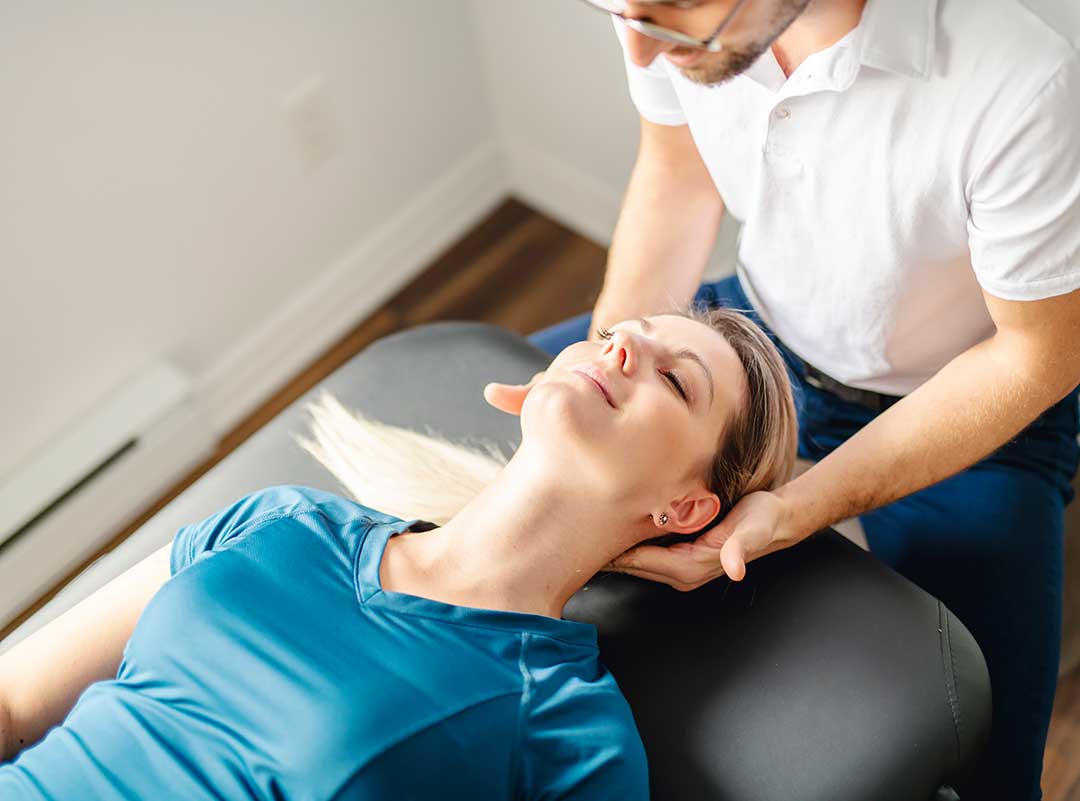
Chiropractic care takes a big-picture approach to pain, focusing on the body's interconnected systems. In cases of referred pain, chiropractors examine spinal alignment, nerve pathways, and how different muscles and joints work together.
What a chiropractic exam often includes:
- Careful discussion of when/where pain happens, what makes it better or worse, and any recent changes in activity or stress.
- Neurological and orthopedic tests, which can indicate if nerves are involved.
- Posture checks, spinal joint evaluations, and movement assessments to track if imbalances or misalignments are contributing.
For example, a resident who develops shoulder pain after carrying groceries might not actually have a shoulder injury, but an issue originating in the upper back or neck. Chiropractic providers assess these patterns and aim to address root causes, not just symptoms.
What Kinds of Referred Pain Are Common in the Oneonta Area?
Local activities and weather influence the types of referred pain that residents experience:
- Snow shoveling and yard work: Lower back strain can refer pain into hips or legs.
- Prolonged driving on rural roads: Hip or back issues may refer discomfort to thighs or knees.
- Recreational hiking: Repetitive stresses can result in foot pain that's referred from the lower back or pelvis.
- Working at home desks or using mobile devices: Neck tension might create headaches or arm pain.
Awareness of these patterns is helpful for those living in climates with significant seasonal changes and for anyone who enjoys the outdoor lifestyle common in the community.
What Strategies Help Prevent or Manage Referred Pain?
Early identification and self-care can make a significant difference. Some practical steps for area households include:
- Paying attention to posture during tasks, especially those involving lifting or repetitive motions.
- Taking frequent breaks during activities and alternating hands or positions.
- Staying active but allowing for rest between strenuous tasks—especially important during seasonal changes when yard or home projects pick up pace.
- Practicing gentle stretching after long drives or screen time.
- Recognizing that persistent pain—particularly if it travels, is hard to trace, or does not improve with simple rest—may indicate a referred pattern.
Self-care can help in many cases, but it’s wise to watch for "red flag" symptoms such as severe, sudden pain, weakness, or numbness, which should be discussed with a medical provider.
Are There Common Myths About Referred Pain?
There are a few persistent myths:
- “All pain means tissue damage at the exact spot.” (Not always true, especially with nerves involved.)
- “Referred pain is just imagined.” (It’s well-documented in both medical and chiropractic literature.)
- “Simple home remedies always work.” (While many aches are temporary, unaddressed referred pain can linger or worsen.)
Understanding referred pain helps the community separate fact from fiction, especially as people look for safe, practical ways to stay active and comfortable year-round.
