
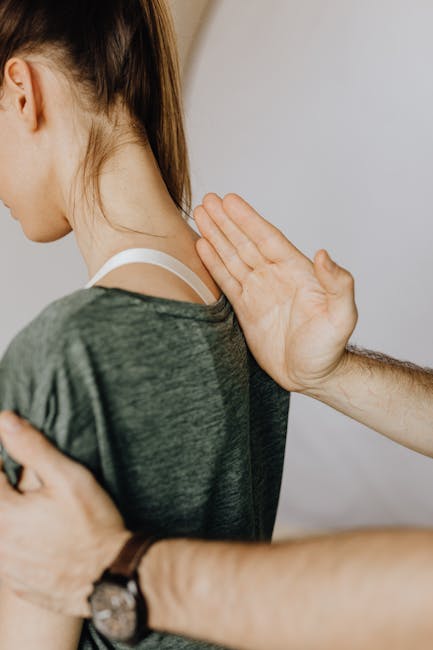
Living in Oneonta, New York, offers a unique blend of small-town charm and active lifestyles. Residents enjoy hiking the Susquehanna Greenway, kayaking on the Susquehanna River, and long walks through the vibrant downtown. However, such an active lifestyle can sometimes come with its own set of musculoskeletal oddities—one of the most common being a clicking or popping sound in the neck. But what exactly causes this? Is neck clicking something to worry about? And how can your daily routine in Oneonta play a role?
What Is Neck Clicking?
Neck clicking—sometimes described as popping, cracking, or snapping—is a sound or sensation that originates from the neck area when you move your head. It may happen spontaneously or with certain activities, like turning your head while backing out of a parking space or glancing over your shoulder on a bike ride. While it might sound alarming, in most cases, neck clicking is harmless. However, understanding the root causes can help you determine when to seek further evaluation.
Common Causes of Neck Clicking
Neck clicking happens for several reasons, many of which are completely benign. Let’s look at the most common culprits:
- Gas Bubbles (Cavitation): Just like knuckle cracking, small gas bubbles can form and pop within the synovial fluid of the cervical (neck) joints. This is a typical physiological process and is generally not cause for concern.
- Ligament or Tendon Movement: The neck contains multiple ligaments and tendons. These structures might glide over bony prominences as you move, often creating a clicking or snapping sensation, especially during certain stretches or exercises.
- Age-Related Changes: As Oneonta’s population includes many active retirees, it’s important to note that degenerative joint changes—like arthritis—can cause more frequent clicking due to rougher joint surfaces.
- Previous Injury: Old injuries, such as whiplash from a ski accident at the nearby local peaks or a slip on icy sidewalks, can alter the mechanics of the neck, resulting in occasional noises.
- Postural Stress: Spending hours at a desk at SUNY Oneonta or Hartwick College, or working from home in makeshift offices, can strain the neck’s supporting tissues, making clicking more noticeable.
When Is Neck Clicking a Concern?
Most of the time, neck clicking is normal and not associated with pain or other symptoms. However, there are warning signs you should pay attention to:
- Persistent Pain: If the clicking is accompanied by ongoing pain or stiffness, it could signal an underlying issue that requires evaluation.
- Loss of Motion: Difficulty turning your head while driving through Oneonta’s hilly roads or during outdoor activities may mean something more serious is happening in your neck.
- Numbness or Weakness: If you feel numbness, tingling, or weakness in your arms or hands, seek prompt medical advice.
- Recent Trauma: After a fall or local winter sports injury, new or worsening neck noises should not be ignored.
How Active Lifestyles in Oneonta Affect Neck Health
Oneonta residents are known for their energetic lifestyles and community involvement, be it hiking, cycling, gardening, or playing recreational sports at Neahwa Park. These activities, while great for overall health, can sometimes involve repetitive movements or postural habits that contribute to neck clicking. Here’s how local factors come into play:
- Outdoor Adventures: Carrying heavy backpacks on local trails or frequent head movements while biking can strain the neck.
- Winter Activities: Shoveling snow, skiing, or even slipping on icy sidewalks each winter can lead to subtle or acute neck injuries.
- Academic and Remote Work: Students and professionals who spend long hours using computers or mobile devices at local coffee shops can develop forward head posture, increasing the likelihood of neck noises.
Self-Care Strategies to Minimize Neck Clicking
For most people in Oneonta, managing and preventing neck clicking starts with simple self-care practices:
- Maintain Good Posture: Whether you’re attending SUNY classes, office work, or reading at the Huntington Memorial Library, keep your head aligned over your shoulders.
- Regular Stretching: Incorporate gentle neck stretches into your routine, especially after outdoor activities or prolonged sitting.
- Strengthening Exercises: Engage your upper back and neck muscles with exercises that enhance stability and flexibility.
- Stay Hydrated: Joints move best when well-lubricated, so drink plenty of water—especially after hikes or sports.
- Modify Activities: Be mindful of how you move during local activities; avoid sudden, jerky neck movements as much as possible.
When to Seek Professional Advice
If you regularly experience neck clicking with pain, stiffness, or neurological symptoms like numbness and tingling, it’s wise to consult a healthcare provider with experience in musculoskeletal health. Chiropractors, primary care physicians, and physical therapists in Oneonta are equipped to assess and address these concerns. They can provide a personalized plan to keep you moving comfortably, whether you’re tackling a weekend hike or simply enjoying a stroll around Neahwa Park.
Final Thoughts: Embrace Life in Oneonta, Mindful of Your Neck
Neck clicking is a common experience, especially among active and engaged community members like those in Oneonta. Most of the time, these sounds are natural and harmless, a result of daily use, local adventures, and the aging process. However, knowing the causes and signs that deserve attention can help you stay proactive about your health. By fostering good habits and addressing concerns early, you can continue to enjoy the unique rhythm of life in Oneonta with a comfortable and healthy neck.
