

Back pain is common, and many episodes improve with time, movement, and appropriate self-care. However, certain symptoms suggest that the pain may involve nerve compression, infection, fracture, cancer, or another condition requiring prompt medical evaluation.
Recognizing these warning signs does not mean a serious problem is present. It means the symptoms should not be managed only with stretching, rest, or spinal manipulation until the cause is better understood.
Which back pain symptoms require emergency attention?
Loss of bladder or bowel control, numbness around the inner thighs or groin, or rapidly worsening leg weakness can indicate serious compression of the nerves that control the lower body. These symptoms require emergency evaluation rather than waiting for a routine appointment. ([medlineplus.gov](https://medlineplus.gov/ency/article/007425.htm?utm_source=openai))
Seek emergency care if back pain is accompanied by:
- New inability to urinate or unexpected loss of urine or stool
- Numbness in the groin, buttocks, or inner thighs
- Sudden or progressive weakness in one or both legs
- Difficulty walking, standing, or maintaining balance
- Severe pain after a major fall, collision, or other injury
- Back pain with chest pain, fainting, severe abdominal pain, or trouble breathing
These symptoms can have causes unrelated to the spine as well. For example, pain in the back may occasionally be referred from an abdominal, urinary, vascular, or chest problem.
Does pain traveling down the leg mean something serious?
Pain that travels from the lower back into the buttock, thigh, calf, or foot may involve irritation of a spinal nerve, often called sciatica. Nerve-related pain can include burning, electric sensations, tingling, numbness, or weakness. Pain below the knee is more concerning than soreness limited to the muscles beside the spine, especially when it affects walking or leg strength. ([medlineplus.gov](https://www.medlineplus.gov/ency/article/007494.htm?utm_source=openai))
Not every case of leg pain is an emergency. A person may have nerve irritation without dangerous compression. The concern increases when symptoms are getting worse, spreading, or accompanied by:
- Foot slapping or difficulty lifting the front of the foot
- Repeated tripping
- Loss of coordination
- Noticeable loss of sensation
- Weakness that interferes with stairs, driving, work, or normal household activities
A clinician may need to assess reflexes, sensation, muscle strength, and walking mechanics before deciding whether imaging or another type of evaluation is appropriate.
Could fever or feeling ill be connected to back pain?
Back pain combined with fever, chills, unusual fatigue, or feeling generally unwell can signal infection or another systemic illness. Redness, swelling, or unusual tenderness directly over the spine also deserves prompt evaluation. ([medlineplus.gov](https://medlineplus.gov/ency/article/007425.htm?utm_source=openai))
This possibility deserves extra attention in people who have recently had:
- A serious infection
- Spinal surgery or an injection
- A weakened immune system
- Long-term steroid use
- Intravenous drug exposure
- A condition that affects infection risk
A cold, damp winter day or physically demanding snow-related work may make ordinary muscle pain feel worse, but weather alone does not explain fever, neurological changes, or a person feeling acutely ill. Those symptoms should not be dismissed as seasonal stiffness.
When can an injury cause a spinal fracture?
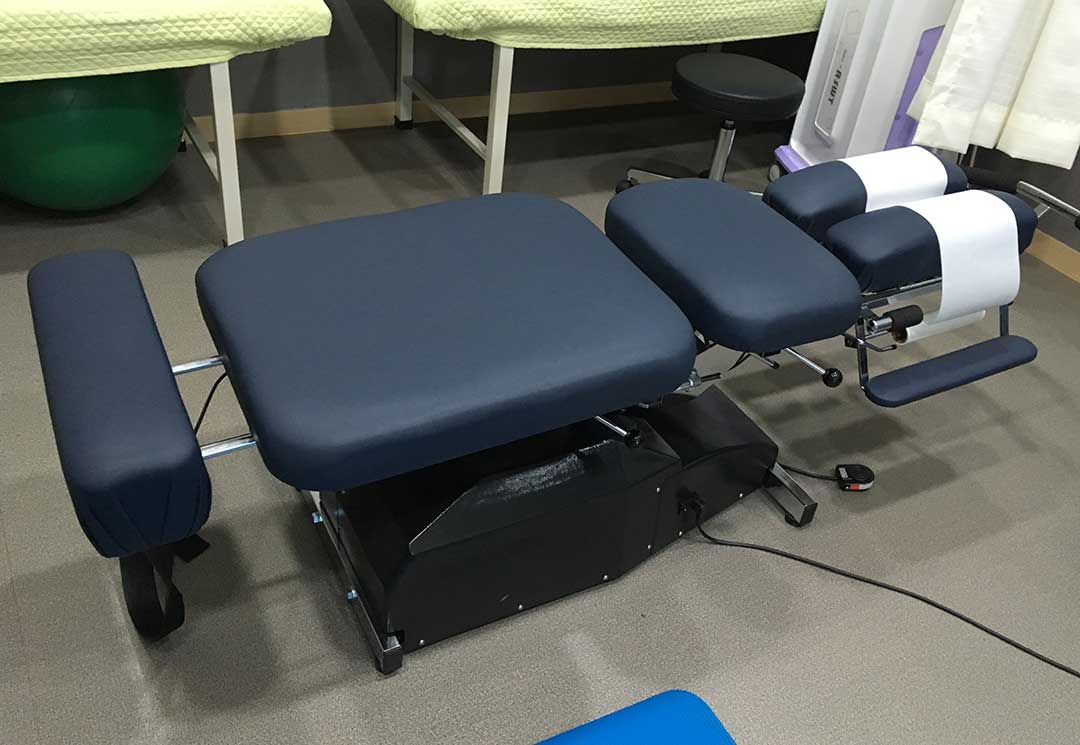
Back pain after a significant fall, vehicle crash, or direct blow should be evaluated, particularly when the pain is severe or sharply localized. A fracture can also occur after a less dramatic incident in someone with osteoporosis, reduced bone density, or prolonged steroid use.
Pain that begins after lifting, shoveling, or slipping may be muscular, but the activity does not rule out a more serious injury. Seek medical assessment when pain is intense, movement is very limited, or the spine is painful to touch.
Older adults and people with known bone-density problems may sustain vertebral fractures from relatively minor trauma. Continuing to bend, twist, or manipulate the area before an injury is ruled out may worsen symptoms.
Is nighttime pain or unexplained weight loss a warning sign?
Pain that repeatedly wakes a person from sleep, becomes worse when lying down, or does not ease with ordinary changes in position should be discussed with a medical professional. Unexplained weight loss, a history of cancer, or a major change from previous episodes also raises the need for timely evaluation. ([medlineplus.gov](https://medlineplus.gov/ency/article/007425.htm?utm_source=openai))
These features do not prove cancer. Many noncancerous conditions can cause persistent or nighttime pain. The reason they matter is that they may point away from a simple strain and toward a problem requiring a broader examination.
A useful comparison is whether the current episode behaves like previous episodes. If familiar muscle soreness usually improves with gentle movement but this pain is steadily worsening, constant, or unusually deep, that difference is worth reporting.
How long is too long to wait?
Many uncomplicated episodes improve within days to several weeks. Severe pain that does not begin improving, pain that continues beyond several weeks, or repeated episodes that are becoming more frequent should be evaluated. MedlinePlus advises seeking care for pain that remains severe, changes in character, lasts longer than four weeks, or occurs with neurological or systemic symptoms. ([medlineplus.gov](https://medlineplus.gov/ency/article/007425.htm?utm_source=openai))
Waiting is less appropriate when pain is interfering with sleep, walking, work, personal care, or basic household tasks. Residents dealing with winter conditions may also need to consider whether reduced activity, prolonged sitting, icy walkways, or repeated lifting have changed the pattern of symptoms.
What information should be recorded before an evaluation?
A short symptom record can make the examination more useful. Write down:
- When the pain began and what happened immediately beforehand
- Whether it stays in the back or travels into the hip or leg
- Any numbness, tingling, weakness, or balance changes
- Changes in urination or bowel control
- Fever, chills, weight loss, or unusual fatigue
- Recent falls, infections, procedures, or medication changes
- Positions and activities that worsen or relieve it
Imaging is not automatically needed for every episode of back pain. In the absence of warning signs, a careful history and physical examination often guide initial care. When red flags are present, further testing may be considered based on the suspected cause rather than simply on how uncomfortable the pain feels. ([notts.icb.nhs.uk](https://notts.icb.nhs.uk/wp-content/uploads/sites/2/2022/04/Value-Based-Commissioning-PolicyV1.4-2.pdf?utm_source=openai))
A chiropractor may help assess mechanical contributors to back pain, but symptoms suggesting fracture, infection, cancer, major nerve compression, or an internal medical problem require medical evaluation first or alongside any musculoskeletal care. The safest approach is to match the urgency of the evaluation to the symptoms, not just to the pain score.
