
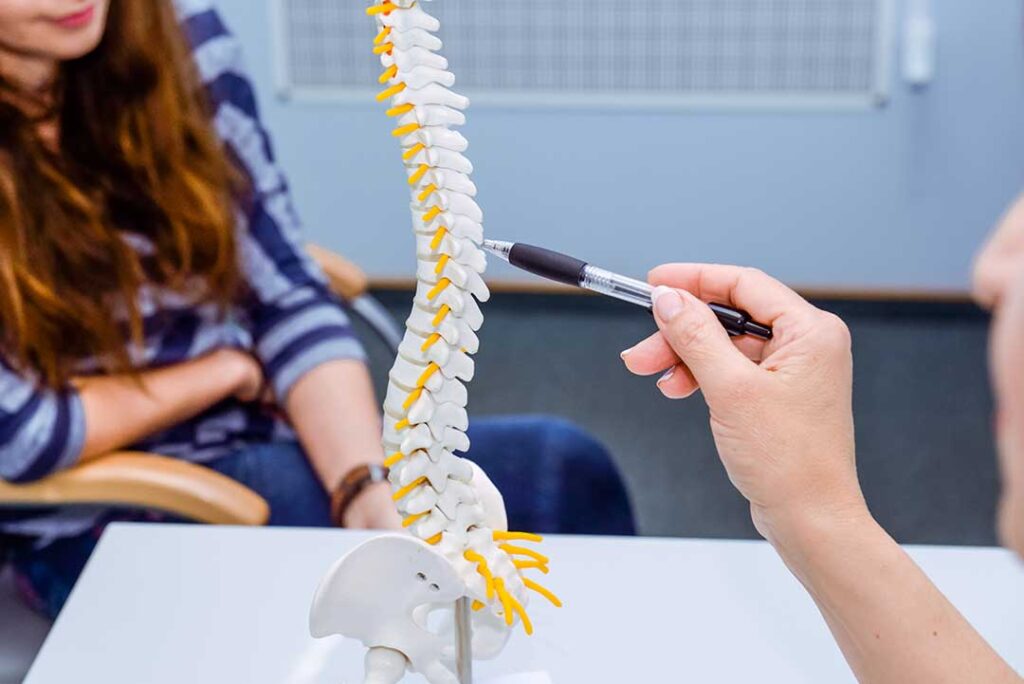
How often should you see a chiropractor?
For most people, there is no medically established schedule that applies to everyone. The appropriate frequency depends on the reason for care, how long symptoms have been present, what examination finds, how the body responds, and whether treatment is helping daily function.
A person with a recent episode of uncomplicated low-back pain might be evaluated once and then return for a short period of care. Someone with recurring symptoms may need occasional reassessment rather than indefinite routine visits. The goal should be measurable improvement—not simply continuing visits on a calendar.
For local residents in Oneonta, NY, symptoms may fluctuate with winter conditions, shoveling, icy walking surfaces, long drives, seasonal work, or spending more time indoors. Those factors can influence when pain appears, but they do not automatically determine how often treatment is needed.
Is weekly chiropractic care necessary?
Not necessarily. Weekly or more frequent visits may be appropriate for a limited period when pain is interfering with walking, sleeping, work, or ordinary household tasks. A treatment plan should still include a reason for the schedule and a point at which progress will be reviewed.
A reasonable plan may involve:
- An initial evaluation and discussion of goals
- A short trial of treatment, exercises, or activity changes
- Follow-up visits to measure pain, movement, strength, and function
- Less frequent visits as symptoms improve
- Stopping or changing the approach if improvement is absent
The exact number of visits cannot be determined responsibly without an examination. More visits are not automatically more effective, and frequent treatment without improvement deserves reassessment.
What does research say about treatment frequency?
Research generally supports spinal manipulation as one possible non-drug option for some types of low-back pain, but studies do not establish one universal visit schedule. Benefits are usually described as modest and are often similar to those from other conservative treatments, such as exercise or self-management. ([nccih.nih.gov](https://www.nccih.nih.gov/health/spinal-manipulation-what-you-need-to-know?utm_source=openai))
The World Health Organization recommends that spinal manipulative therapy may be offered as part of care for adults with chronic primary low-back pain, but its recommendation is conditional and based on very low-certainty evidence. The same guidance emphasizes person-centered care and combining appropriate interventions rather than relying on a single treatment alone. ([who.int](https://www.who.int/publications-detail-redirect/9789240081789?utm_source=openai))
The American College of Physicians also lists spinal manipulation among several options for acute, subacute, and chronic nonradicular low-back pain. Exercise, education, heat, rehabilitation, and other approaches may also be appropriate depending on the circumstances. ([acponline.org](https://www.acponline.org/node/298917?utm_source=openai))
These guidelines support individualized care, not automatic long-term maintenance visits for everyone.
What might a short-term schedule look like?
A short course may involve visits close enough together to determine whether symptoms are responding, followed by a reassessment. The schedule could be spaced differently for acute pain than for a long-standing condition.
For example, a person with a recent lifting-related back strain might be seen, given activity guidance, and reassessed after a few days or a week. If movement and function improve, additional visits may be reduced or ended. Someone with persistent stiffness may be reassessed less often while working on strength, mobility, sleep, and daily activity.
These are examples, not prescriptions. The appropriate interval depends on the diagnosis and risk factors. A plan should explain what improvement is expected and what would cause it to be changed.
When might less frequent visits make sense?
Less frequent care may be reasonable when symptoms are stable, daily activities are manageable, and a person understands how to maintain progress through movement and self-care.
A follow-up visit might be considered when:
- Pain returns and does not settle with familiar self-care
- A new activity causes a meaningful flare
- Mobility or function gradually declines
- An exercise or home-care plan needs adjustment
- A recurring problem needs periodic reassessment
“Maintenance care” is a broad term, and evidence does not show that every healthy person needs routine spinal manipulation to prevent future pain. Preventive visits should be considered cautiously, with clear goals and attention to cost, convenience, medical history, and alternatives such as exercise or physical conditioning.
How can you tell whether visits are helping?
Pain relief matters, but it is only one measure. Useful signs of progress include being able to:
- Walk, sit, stand, or sleep more comfortably
- Work or perform household tasks with fewer limitations
- Move through a greater range of motion
- Resume activity without repeated flare-ups
- Use fewer pain-relieving measures, when medically appropriate
- Follow an exercise or mobility routine more consistently
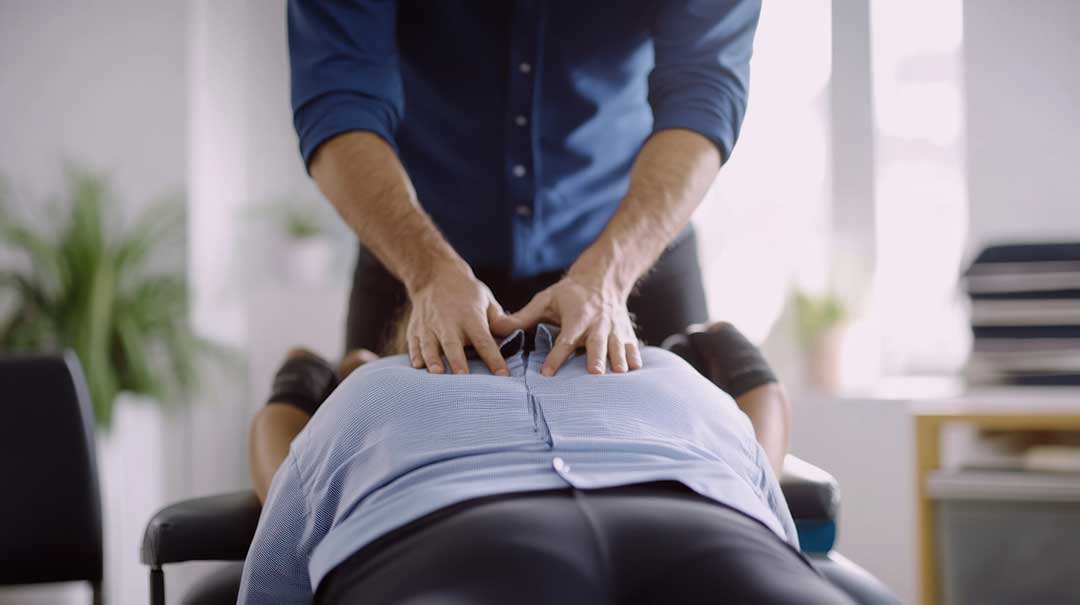
If pain improves briefly after each visit but returns at the same intensity without broader functional improvement, the treatment plan should be reviewed. Persistent dependence on frequent visits without objective progress is a reason to reconsider the diagnosis, the treatment approach, or whether another type of care is needed.
Are there risks to frequent treatment?
Spinal manipulation commonly causes temporary soreness, stiffness, headache, or increased discomfort. These effects often resolve within about 24 hours, but serious complications, while rare, have been reported. Risk may be higher for people with certain underlying conditions, so a complete health history and medication list matter. ([nccih.nih.gov](https://www.nccih.nih.gov/health/spinal-manipulation-what-you-need-to-know?utm_source=openai))
Extra caution is appropriate with a history of osteoporosis, fracture, inflammatory disease, cancer, infection, bleeding problems, significant neurological symptoms, or recent trauma. Pregnancy may also require modified techniques and coordination with other health care professionals. ([nccih.nih.gov](https://www.nccih.nih.gov/health/spinal-manipulation-what-you-need-to-know?utm_source=openai))
Neck manipulation deserves a specific risk discussion. Rare cervical artery injuries have been reported, and experts continue to debate the degree of causation. Sudden neck pain or headache accompanied by weakness, numbness, vision changes, dizziness, trouble speaking, or loss of coordination requires urgent medical evaluation rather than routine treatment. ([nccih.nih.gov](https://www.nccih.nih.gov/health/spinal-manipulation-what-you-need-to-know?utm_source=openai))
When should back or neck pain be evaluated urgently?
Seek prompt medical attention for pain accompanied by:
- New loss of bladder or bowel control
- Numbness around the groin or inner thighs
- Progressive leg or arm weakness
- Fever, unexplained weight loss, or feeling acutely ill
- Significant pain after a fall, crash, or other trauma
- A history of cancer, immune suppression, or serious infection
- Severe, sudden, or unusual headache with neurological symptoms
These signs can indicate conditions that require medical testing or urgent treatment.
For many uncomplicated musculoskeletal problems, the most useful question is not “How many visits should I book?” but “What specific improvement should occur, by when, and what happens if it does not?” In Oneonta, changing weather, snow-related chores, commuting, and seasonal activity can affect symptoms, but a safe schedule still depends on individual examination, response, and clear reassessment.
