
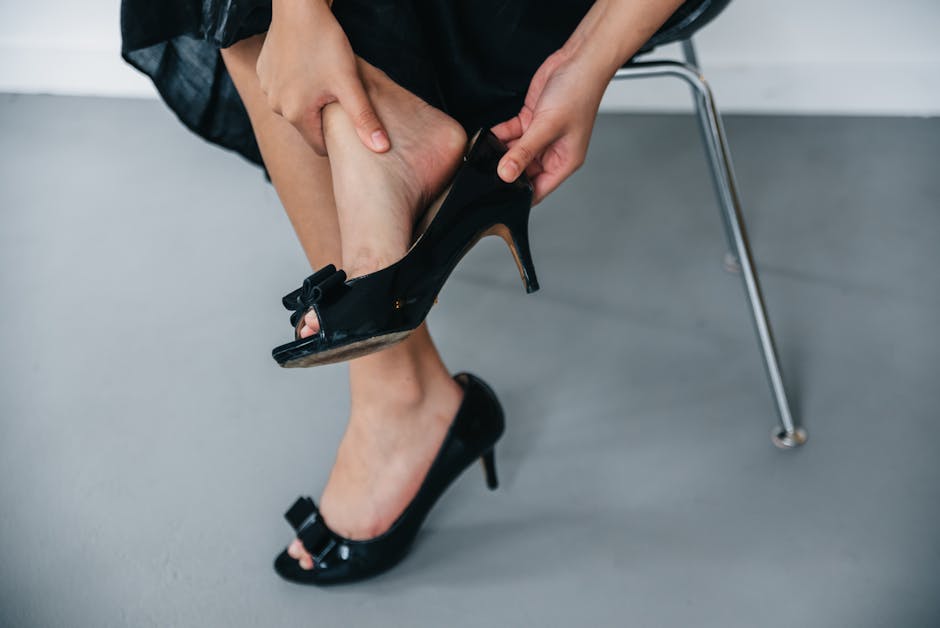
Living in Oneonta, NY offers a charming blend of collegiate spirit, scenic parks, and vibrant community gatherings. Whether you’re attending events at SUNY Oneonta, enjoying a stroll down Main Street, or heading to a night out at the Foothills Performing Arts Center, fashion often meets function in our choices. For many, high heels are a popular way to elevate personal style. But do you ever wonder what those heels are doing to your body—more specifically, to your back health?
In this blog, we’ll explore the impact of high heels on your spine, discuss the risks for Oneonta residents who love their footwear, and offer local-friendly tips for maintaining a healthy back without giving up your style.
Why High Heels Impact Your Back Health
High heels may elongate the legs and enhance posture at first glance, but the elevated angle your foot maintains comes at a significant cost to your body's biomechanics. When you wear high heels:
- The heel elevation pushes your center of gravity forward.
- Your lower back compensates by arching more than usual (increasing lumbar lordosis).
- Hips and knees also shift to counterbalance, putting abnormal strain on joints and muscles.
Over time, this altered posture can lead to a cascade of issues that affect not only your lower back but also your feet, hips, and even your neck. In a walking-friendly community like Oneonta, regular use can amplify these effects as you navigate our hilly streets and participate in seasonal events.
Common Back Problems Linked to High Heels
Back pain is one of the top complaints we address at chiropractic offices in Oneonta. While lifting heavy snow or long commutes over rural roads have their roles, high heels remain a surprisingly frequent culprit—especially among women aged 20-50. Wearing high heels regularly may contribute to:
- Lower back pain: Excess curvature of the lumbar spine compresses discs and facet joints.
- Muscle fatigue: Calf and lower back muscles must work harder to maintain balance.
- Pinched nerves: The altered gait can compress nerves, particularly the sciatic nerve.
- Poor posture: Hunched shoulders or forward head position often follow as the upper body overcompensates.
The Oneonta Lifestyle: Why This Matters Locally
Oneonta residents take pride in an active lifestyle. Whether it’s cheering on the Red Dragons or exploring Wilber Park’s walking trails, local activities often require comfortable, reliable footwear. However, social events, professional environments, and celebrations can encourage heeled shoes.
Consider the following local scenarios:
- Walking on Main Street: The uneven, sometimes brick-lined sidewalks demand footwear that supports foot and back health.
- Campus life: Students and faculty are on their feet for long periods, increasing the risk of heel-related fatigue.
- Seasonal changes: Wet or snowy weather makes walking in heels more perilous, increasing the likelihood of slips and compensatory posture.
Making informed choices about footwear is crucial for long-term back health in our region.
Science-Backed Evidence: What Research Tells Us
Medical research confirms the connection between high heel use and musculoskeletal issues. Clinical studies have shown:
- Wearing high heels higher than two inches significantly increases lumbar lordosis.
- Frequent wear is associated with a higher risk of developing chronic lower back pain, particularly in women.
- Women who switch to lower, supportive footwear report measurable improvements in back and joint pain.
As a trusted chiropractor in Oneonta, I regularly see patients who notice quick relief after a short period of avoiding high heels.
Tips For Balancing Fashion and Back Health in Oneonta
Giving up high heels forever isn't a practical—or necessary—solution for most people. Instead, consider these local-friendly tips to enjoy both style and spinal health:
- Choose lower heels: Opt for shoes no higher than two inches for special occasions.
- Invest in quality: Well-cushioned, ergonomic heels distribute weight more evenly.
- Wedge heels or block heels: These styles provide more stability on uneven Oneonta sidewalks.
- Wear heels sparingly: Save higher heels for short events or photos; switch to supportive flats for walking or standing.
- Stretch regularly: Stretch calves, hamstrings, and lower back muscles before and after wearing heels.
- Use orthotic inserts: They can offer extra support and shock absorption.
Recognizing When to Seek Professional Help
If you notice persistent back, leg, or foot pain after wearing high heels, it's important to listen to your body. Some key signs you may need to see your Oneonta chiropractor include:
- Persistent aching in your lower back or hips
- Tingling or numbness in the legs
- Difficulty standing straight after taking off your shoes
- Shooting pain down the leg (sciatica symptoms)
- Swelling or visible changes in your posture
A chiropractic assessment can help determine whether your pain is related to footwear and provide a personalized treatment plan. Early intervention is especially important to prevent chronic conditions that can limit your activity around town.
Making Healthier Choices for the Long Run
Balancing the desire for stylish footwear with the need for spinal health is possible, especially with a little planning and self-care. As our Oneonta community thrives on both indoor and outdoor activities, prioritizing comfort and support doesn’t mean abandoning your personal style. By understanding the risks and making small, sensible changes, you can enjoy all that our town offers—without letting back pain slow you down.
If you have concerns about how your footwear might be affecting your back, don’t hesitate to consult with a local chiropractor for tailored advice. Remember: fashion comes and goes, but a healthy back is always in style in Oneonta!
